
Author: Chris Vanderwolk
-
Benefits Brief · Health & Welfare Edition · July 3, 2026
Compliance Calendar — upcoming deadlines Jul 31 PCORI fee due (Form 720) for self-insured health plans Jul 31 Form 5500 due for calendar-year plans (without extension) Dec 31 Gag-clause prohibition compliance attestation (GCPCA) due Today’s Briefing JPMorgan ERISA drug-benefit class action clears motion to dismiss Buchanan Ingersoll & Rooney In Stern v. JPMorgan Chase & Co. (S.D.N.Y.),… Read more
-
When to consider paying cash instead of using insurance (and which tools to use to figure that out).
Start the new year by exploring tools to compare healthcare costs. First, check your insurance carrier or TPA’s site, as costs outside negotiated rates might not count toward your deductible. Then compare fair pricing with BILLY, FairHealth, Turquoise Health, or Cost Plus Drugs before paying cash or using insurance today. Read more
-
What’s driving U.S. drug prices so high?
A new analysis by Petersen-KFF raises a critical question: Are countries like Germany, the U.K., and Australia paying less because they’ve negotiated better deals, or is it the presence of generics and biosimilars driving prices down through competition? What’s happening? What could be driving the difference? The drugs that Centers for Medicare & Medicaid Services… Read more
-
We were so close.
To say I’m disappointed today is an understatement. We were so close. So close to finally making progress as a nation to control our out-of-control drug costs. But that momentum has stalled out—for now. We’re like Miley Cyrus: we can’t stop. We won’t stop. NABIP will continue pushing for smart policy at both state and… Read more
-
Yes, Virginia, there is a Santa Claus. 🎅🏽
Congress is including some real PBM reform in the 1,547 page Continuing Resolution that must pass this week to keep the government running. Here’s some of the employer plan highlights: 💯 PBM Rebates Fully Passed ThroughPharmacy Benefit Managers (PBMs) must remit 100% of rebates, fees, and discounts directly to the plan.(Lower costs for employers and… Read more
-
What’s up(coding)?
What’s up(coding)? Let’s talk about a common practice that needs to end. After you leave the doctor’s office, what happens to your chart? It goes to a billing office, where someone trained in medical billing maximizes the revenue for that visit by ensuring the services performed are properly coded. But many times they also: But… Read more
-
RxDC insights on Rebates and “Gross to net”
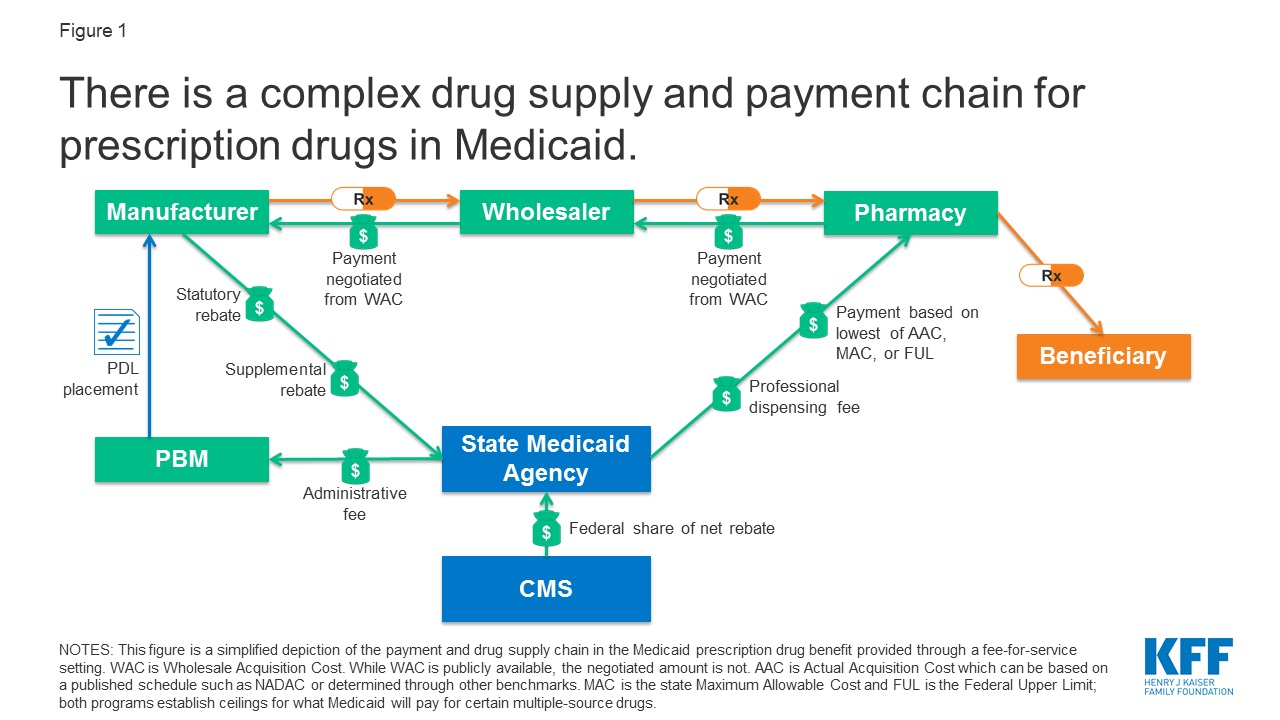
The U.S. Department of Health and Human Services (HHS) analyzed two years of RxDC reporting and revealed key findings on prescription drug costs: • 46% of tracked drugs saw list price increases above inflation. • U.S. retail drug spending reached $406 billion in 2022, up from $291 billion in 2014, with per capita spending hitting… Read more
-
Let’s talk about the Employer Tax Exclusion
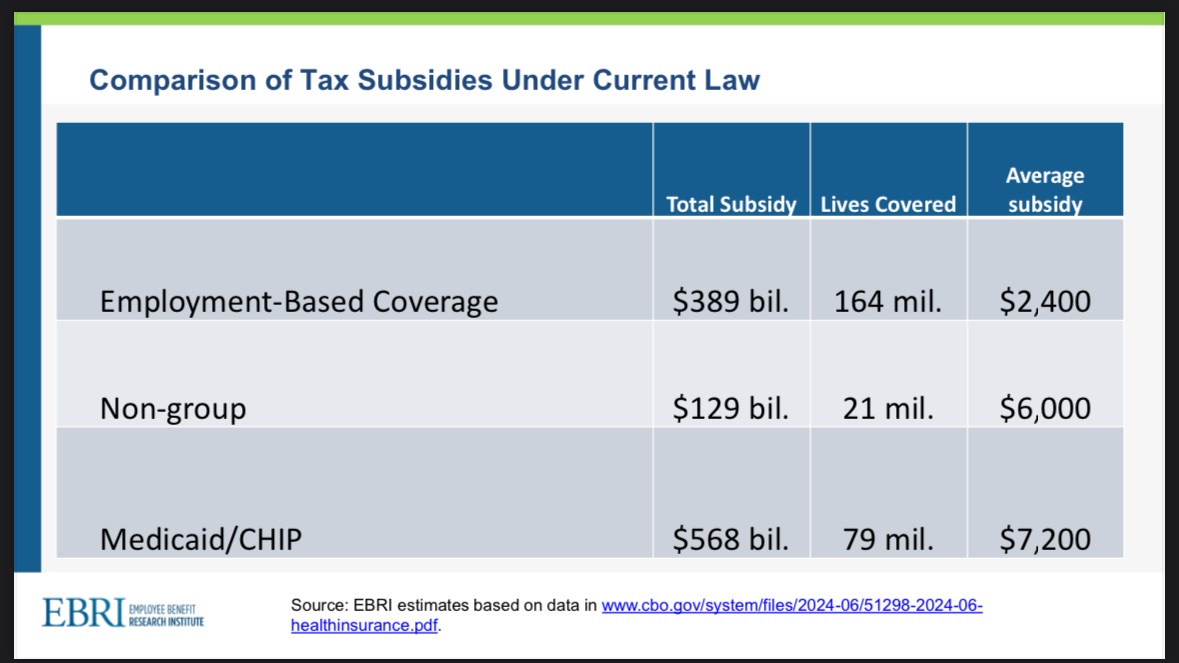
The Employer Tax Exclusion emerged during WWII, when a federal wage freeze prompted employers to offer health benefits as tax-exempt compensation. Today, that system covers 164 million Americans. Every so often, Washington debates cutting the exclusion because it’s seen as a “cost” in federal budgeting. But ending or limiting it would undermine a stable, efficient… Read more
-
Spread Pricing: Stability vs. Transparency in Healthcare
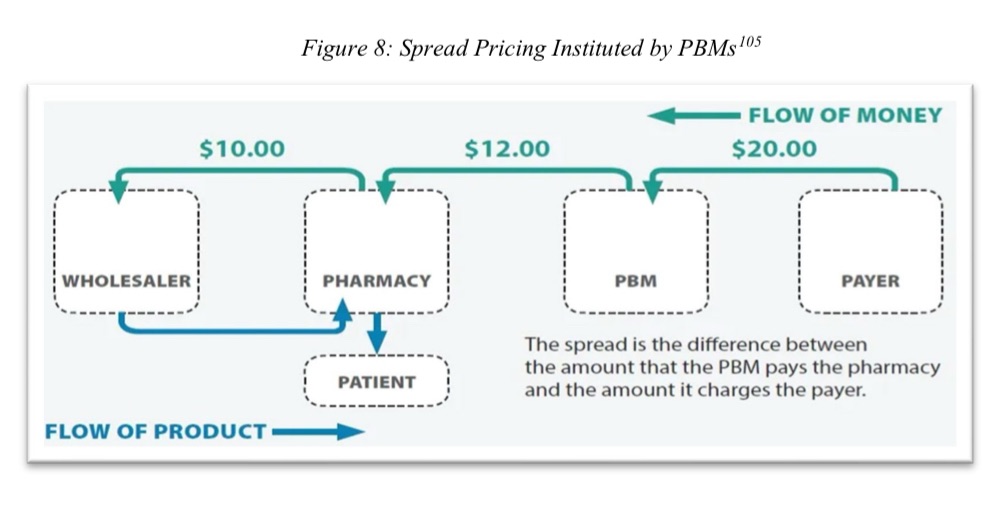
Let’s talk about spread pricing and it’s impact on E=CUP. What’s spread pricing? It’s a markup. We understand spread pricing in the physical good world. If you go to a store, you understand that the store paid a lower price for the product than they’re charging you. That spread in the wholesale cost versus the… Read more